EATING
The forgotten snack
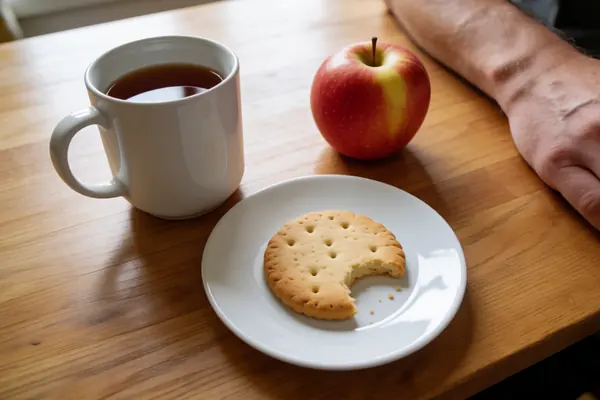
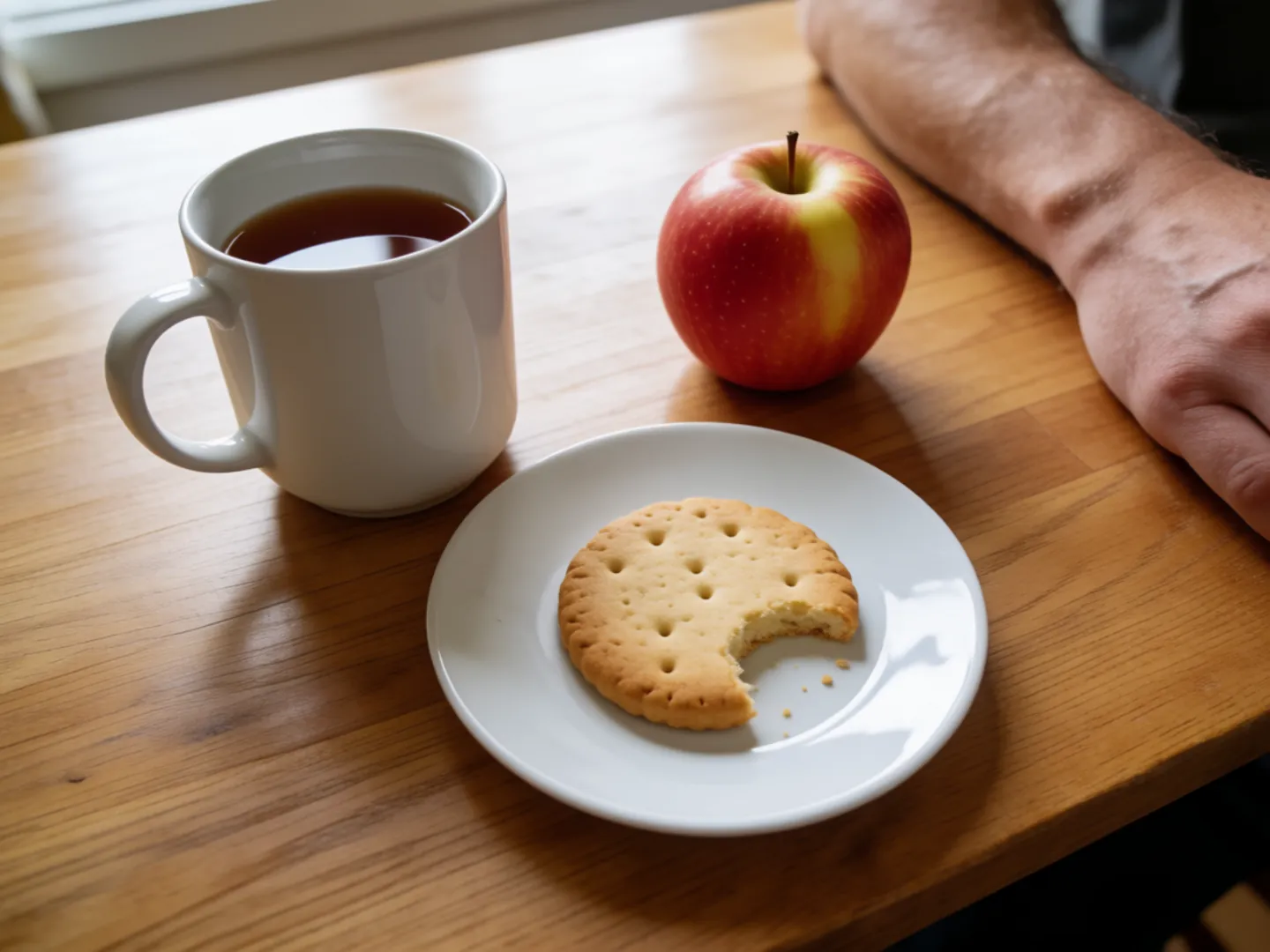
In a 2015 study of 40 adults, looking back through camera photos helped people recall 265 foods they had left out of their diet interviews, often snacks.
See the numbers iwatchcameras
WHAT THE STUDIES FOUND
We are poor witnesses to our own day.
CLICK every 10 seconds
≈ 3,600 a day Photos taken on a typical day
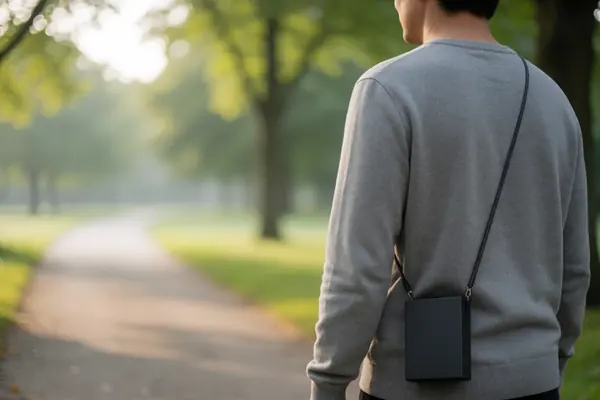
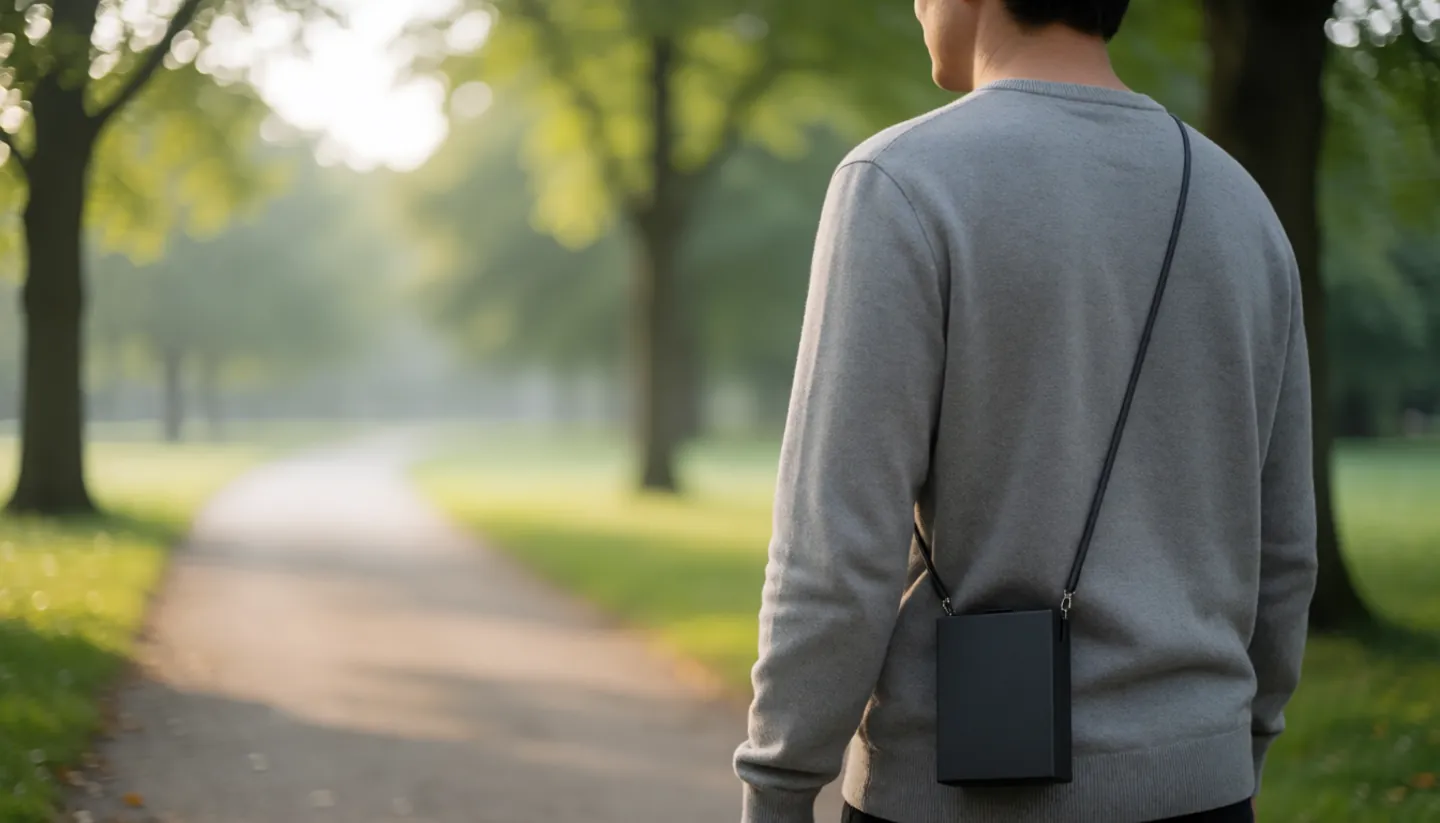
Asked what we ate, how long we sat or how long the walk took, we guess. Researchers tested those guesses against small cameras worn on a lanyard that quietly take a photo every few seconds.
THE SHORT ANSWER
Researchers compared what people reported
with what the camera saw.
EATING
In a 2015 study of 40 adults, looking back through camera photos helped people recall 265 foods they had left out of their diet interviews, often snacks.
See the numbersSITTING
Coding photos for posture gave a sitting estimate that differed by nearly 30 minutes a day from a motion sensor alone.
Compare the studiesPRIVACY
Automatic cameras also photograph other people. An Oxford-led ethics framework puts consent, privacy and confidentiality at the centre.
How studies handle itFOUR STUDIES, SIDE BY SIDE
Pick a study to see how far the camera's record differed from what people reported or remembered. The bar shows how big the gap was.
Summaries of published, peer-reviewed studies. This is general information about research, not medical or dietary advice.
HOW STUDIES PROTECT PEOPLE
A camera that clicks every few seconds captures the wearer's family, colleagues and strangers too. These are the safeguards the published studies and ethics framework describe.

The Oxford-led ethics framework puts respect for autonomy first, through proper informed consent for wearers.
Third parties may feel their privacy has been affected. The framework calls for privacy and confidentiality controls for everyone captured.
In the school-travel study, teenagers could remove the camera at any time and pause recording for seven minutes with a privacy button.
In the diet study, participants viewed their own photos and chose what to add to their account of the day.
TWO NUMBERS WORTH KNOWING
One figure on how much a worn camera records,
one on what it caught that people forgot.
≈ 3,600 a day
Photos taken on a typical day
The research camera used in an Oxford school-travel study weighed 175 g and took approximately 3,600 first-person photos on a typical day, with no action from the wearer.
IMAGES · OXFORD STUDY
265 foods
Foods recalled only after seeing photos
Forty adults wore a camera before three diet interviews. Viewing the photos added 265 unreported foods, often snacks, and brought reported intake closer to a lab measure.
DIET · BRIT J NUTR 2015
Even with the camera, the same diet study found intake was still under-reported by 9% for men and 7% for women: photos narrow the gap rather than close it.
WHERE CAMERAS STRUGGLE
In the school-travel study, 15 of 150 journey stages were lost: 8 because the camera was not worn and 7 because the lens was covered at the start or end of the trip.
The researchers also noted that very low light made journeys hard to see, clothing could block the lens, some places (such as a friend's house) made people uncomfortable wearing it, and a photo every 10 seconds adds a small timing error.
Questions
A small camera worn on the body, often on a lanyard at chest height, that takes photos automatically. The one used in an Oxford school-travel study weighed 175 g and took about 3,600 photos on a typical day.
Self-reports drift. In a 2015 diet study, adults under-reported energy intake by 13 to 17% in standard interviews; reviewing camera photos reduced that gap by 6 to 8%.
In a 2007 case study of one woman with severe memory loss, she recalled about 80% of recent events after viewing camera photos, compared with around 49% using a written diary. It was a single case, not a general result.
An ethics framework from Oxford-led researchers says third parties may feel their privacy is affected, and calls for informed consent and privacy and confidentiality controls to protect everyone.
No. Studies lost images when the lens was covered or the camera was not worn, and low light made some scenes unreadable. Researchers treat photos as one record among several.
Updated
ABOUT THIS NAME
iwatchcameras.com is part of the DoodleSale portfolio. It isn't in an auction right now, but you can ask about leasing it.